Article: Why Bees Matter More Than You Think (and How to Help From Your Garden)
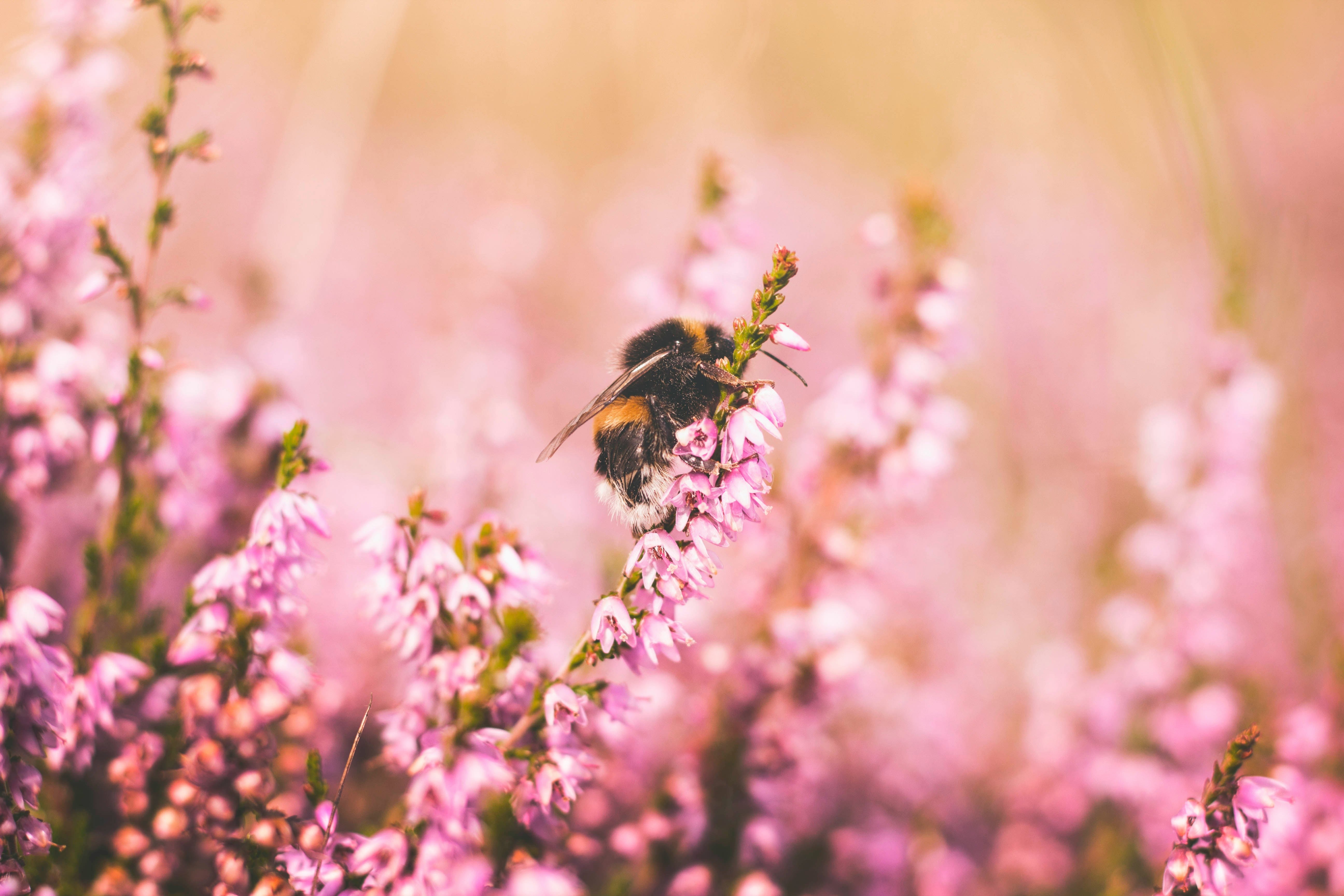
Why Bees Matter More Than You Think (and How to Help From Your Garden)
In 2025, almost 1,000 volunteers walked more than 1,100 routes across Britain and counted 173,773 bumblebees between them. Even after the sunniest spring the UK has ever recorded and a hot summer to follow, the average number of bumblebees spotted per kilometre still came in below the long-term average.
Why we’d notice if they disappeared
It’s worth pausing on why this matters beyond the bees themselves. Around a third of the food we eat depends on pollinators, and bees do a huge share of that work. Every strawberry, apple and courgette on your plate likely owes something to a bee that visited a flower months earlier. Take the pollinators away and entire harvests wobble, along with the wildflowers, hedgerows and gardens that rely on the same insects to reproduce.
The bees still struggling
The BeeWalk report doesn’t paint a picture of total collapse. Numbers did recover somewhat in 2025 compared with 2024, and two rarer species even showed encouraging signs. But 15 of the UK’s 24 bumblebee species are still sitting below their long-term average, and that includes bees you’d assume were doing fine, like the red-tailed and white-tailed bumblebee, both showing a slow, steady decline over the years. Richard Comont, Science Manager at the Trust, put it plainly: bumblebees showed some recovery, but the fact that even record-breaking sunshine couldn’t bring numbers back to normal is a warning sign. Our towns and countryside, in his words, are becoming less and less friendly places for bumblebees to live.
It was never really about the weather
Weather isn’t really the culprit here, more a stress test that reveals a deeper problem. Habitat loss, pesticide use and increasingly unpredictable seasons have been chipping away at bee populations for years. A cold, wet spring can knock a colony sideways at exactly the moment queen bumblebees are trying to establish new nests on their own, feeding themselves and their first batch of larvae with no support. Take away the flower-rich meadows and hedgerows they’d normally rely on, and there’s nowhere for them to recover the lost ground.
Meet the bees you’ve never heard of
There’s more going on beneath the surface than most people realise. Honeybees tend to hog the spotlight, but Britain is home to 24 species of bumblebee alone, alongside just one species of honeybee and close to 250 species of solitary bee. Solitary bees don't form a hive or answer to a queen. Instead, they dig small nests in bare soil, old brickwork or hollow plant stems, getting on with the job of pollinating without a colony to back them up. They don't make honey and they rarely sting, but they're doing just as much heavy lifting for your garden as anything with a hive.
Small garden, big difference
None of the means your garden can’t help. Ditch the neat, double-flowered ornamental blooms if you can, since many of them have been bred in ways that make the nectar and pollen hard for bees to reach, and choose single, open flowers instead, the kind where the middle is clearly visible. Letting a patch of lawn grow a little wild through spring gives clover and dandelions a chance to flower before the first cut, which matters more than it sounds, since early spring is when bees are at their hungriest and flowers are hardest to come by.
A shallow dish of water with a few pebbles in it gives thirsty bees somewhere safe to land and drink without drowning. And if you can leave one corner of bare, undisturbed soil, or resist tidying every hollow stem over winter, offering exactly the kind of nesting spot solitary bees are struggling to find elsewhere.
This doesn’t require a full garden overhaul. Small, consistent changes across thousands of gardens add up to real habitat, which is exactly the kind of restoration the Bumblebee Conservation Trust is calling for at a national level. Every wildflower patch, every unmown corner and every pesticide-free border is one more place for a bee to refuel.
Wear your support, one step at a time
If you’d like to show your support and keep the conversation about British bees going, our Bee socks are currently on sale. Made from soft, sustainable bamboo, they’re a small, cheerful way to fly the flag for one of our hardest-working garden visitors, and 10% of profits from every Hedgy purchase go towards Vale Wildlife Hospital and Rehabilitation Centre, supporting their work with vulnerable British wildlife more broadly. Grab a pair while they’re reduced, and give a nod to the insects doing so much for your garden this summer.